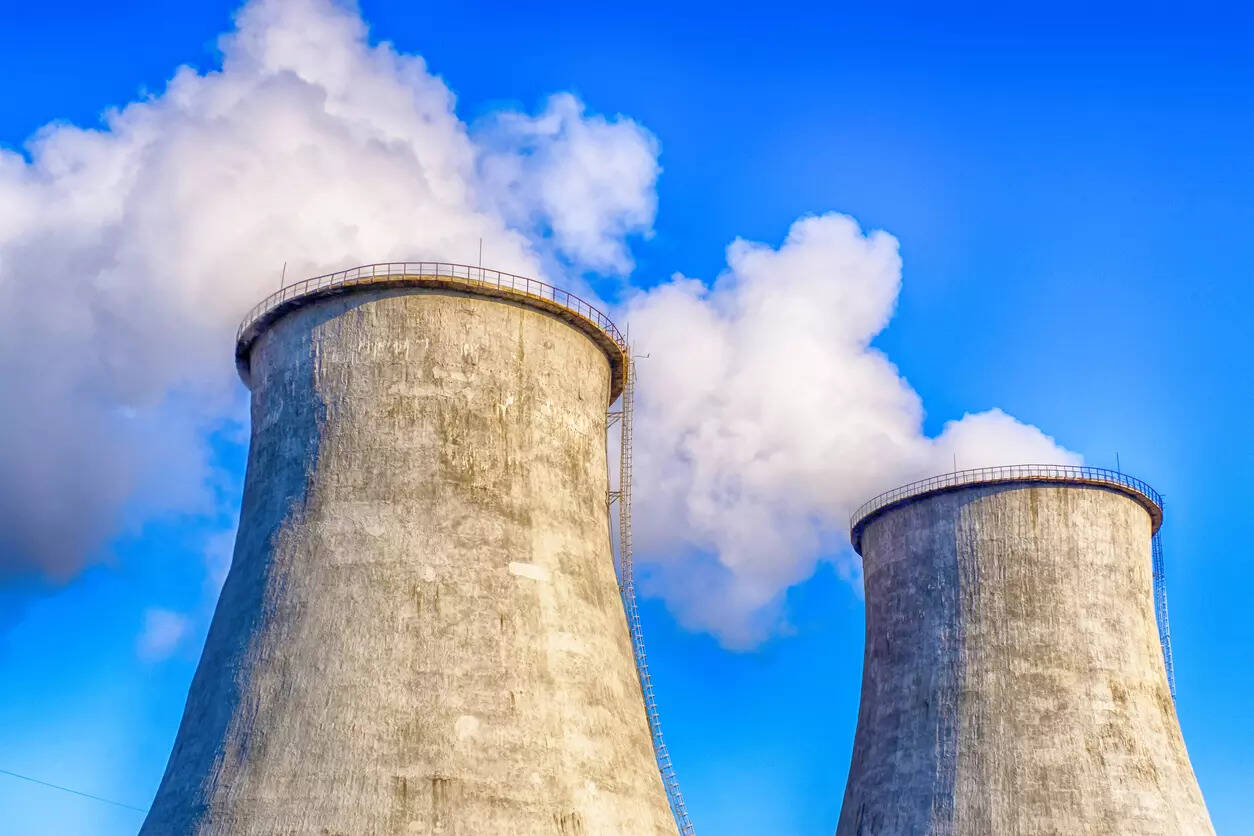
As India prepares to allow private companies and state governments to participate in the nuclear power sector, tariff determination has emerged as a central issue that the industry is watching closely, according to ET Bureau. Fuel sourcing and regulatory oversight are expected to play a significant role in how nuclear tariffs are structured for upcoming projects.
The Atomic Energy Bill 2025 is scheduled to be tabled in the winter session of Parliament beginning December 1. The revised legislation may also clarify operator and supplier liability norms, which could make it easier for overseas technology companies to participate in India’s nuclear energy programme.
Regulatory gap prompts debate on tariff jurisdiction
Tariffs for India’s existing nuclear fleet are currently set by the Department of Atomic Energy in consultation with the Central Electricity Authority. Other power generators fall under the jurisdiction of the Central Electricity Regulatory Commission (CERC), creating a regulatory gap that requires alignment as private participation expands.
Industry experts have suggested that CERC could oversee tariffs for commercial nuclear plants that rely on fuel monitored by the International Atomic Energy Agency (IAEA). Strategic installations and domestically safeguarded reactors could continue under the present DAE-led framework.
Another industry proposal is the creation of an expert panel for tariff determination across all nuclear plants, given the technical complexity involved.
Panel recommends separating tariff setting from government
The panel responsible for outlining India’s 100 GW nuclear capacity roadmap recommended distancing tariff regulation from the government in the event of private sector entry. It also called for provisions enabling appeals and tariff discovery through competitive bidding.
Two senior government officials told ET that these regulatory issues may be addressed during rule-making after the bill is passed.
Fuel requirements and IAEA safeguards
India currently has 8.8 GW of installed nuclear capacity. Domestic uranium supplies meet the requirement for 2.4 GW, with the remaining fuel imported.
Several reactors operate under the IAEA’s Application of Safeguards to Civilian Nuclear Facilities, which governs international oversight of nuclear materials and technology.