If you have lived in the city long enough, and have been engaged in the arts, academia or public life, the chances are that you have seen many diplomats and cultural ambassadors come and go. You have probably also had a chance to interact with a number of them.
In the three decades I have lived in Chennai, there are a number that have made a profound impact on the city and its residents. One of those, and someone who arguably deserves to be at the very top end of that list, was undeniably Helmut Schippert.
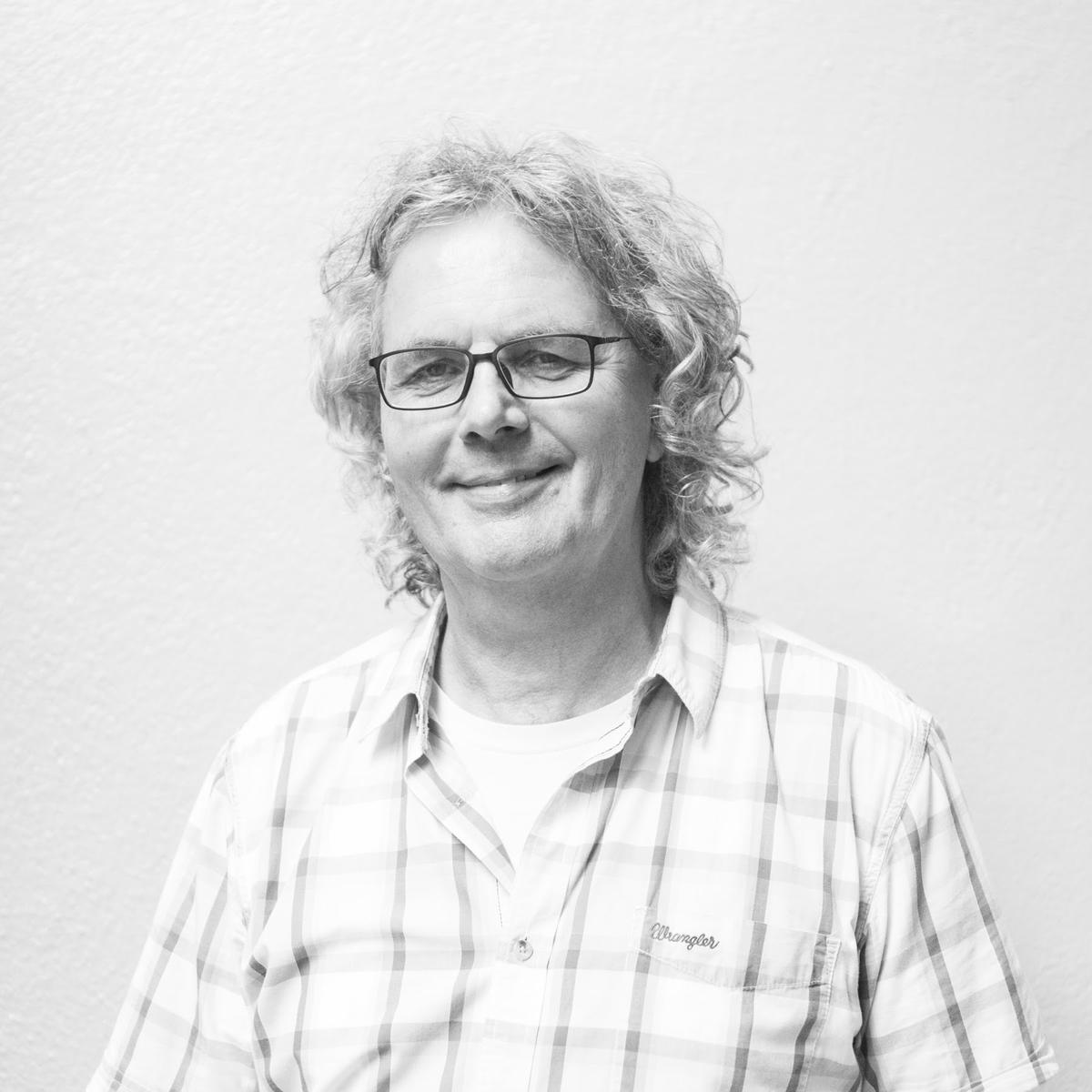
Helmut Schippert
| Photo Credit:
Gayatri Nair
With his long wavy hair, his reflexive egalitarianism, and his interest in looking beyond the issues that occupy the city’s socio-economic elite, Helmut was a burst of frischer wind. There was a childlike curiosity, an unjaded wide-eyed wonder that he brought to the table – in his conversations, his attitude to life and to the many projects he conceived and executed.
Access for all
When I followed Helmut Schippert as a director in 2020, I got to know him through the projects he had initiated and the people who shared their memories with me. I got to know a colleague who was as passionate about culture as he was about humans and their living conditions. He was driven by the idea to create access for everyone: be it to culture in public spaces or to a sustainable water management for the city. His enthusiasm for these topics allowed him to connect to likeminded people from very different fields and create structures and institutions such as the Chennai Photo Biennale (CPB), that continue to enrich the cultural landscape in Chennai.
Katharina Görgen, director, Goethe-Institut Chennai
It is perhaps not surprising that the news of his shocking and sudden death jolted so many of us in Chennai. As director of the Goethe-Institut between 2014 and 2020, he touched many lives – opening opportunities for artists, photographers, writers, musicians, environmentalists and others. During his time here, Helmut never gave the impression that he was here to represent or showcase German culture to the city. His work was predicated on the idea that his Institut could make a meaningful contribution to the city and its residents though debate (differing, when required) and socially engaged cultural cooperation.
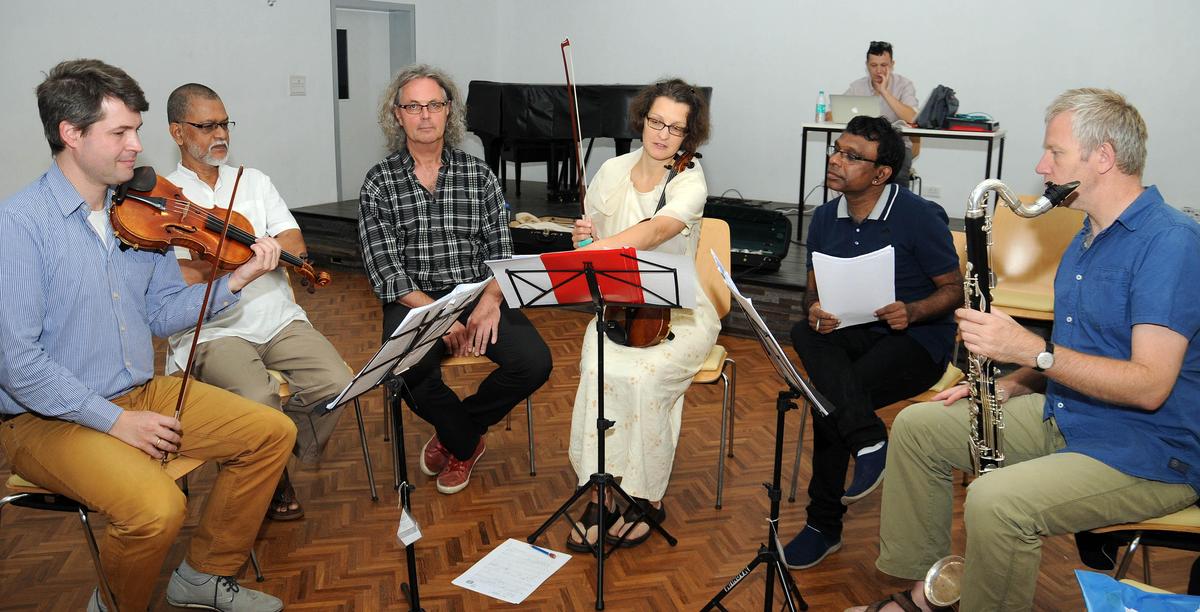
(From left) Musicians Theodor Flindell, V. S. Narasimhan, Helmut Schippert, Ana Maria Rodriguez, Ramesh Vinayakam and Theo Nabicht at Goethe Institut in Chennai in 2016
| Photo Credit:
PICHUMANI K
Understanding Chennai and Tamil Nadu was something of a passion during his stay. A conversation with him about a river project, for example, could suddenly digress into a discussion about politics or Indian music. The importance he devoted to feeling ‘connected’ manifested even before he arrived in Chennai. On hearing of his posting, one of the many things he did was to try and appreciate what must have been a very foreign art form to his ears – Carnatic music.
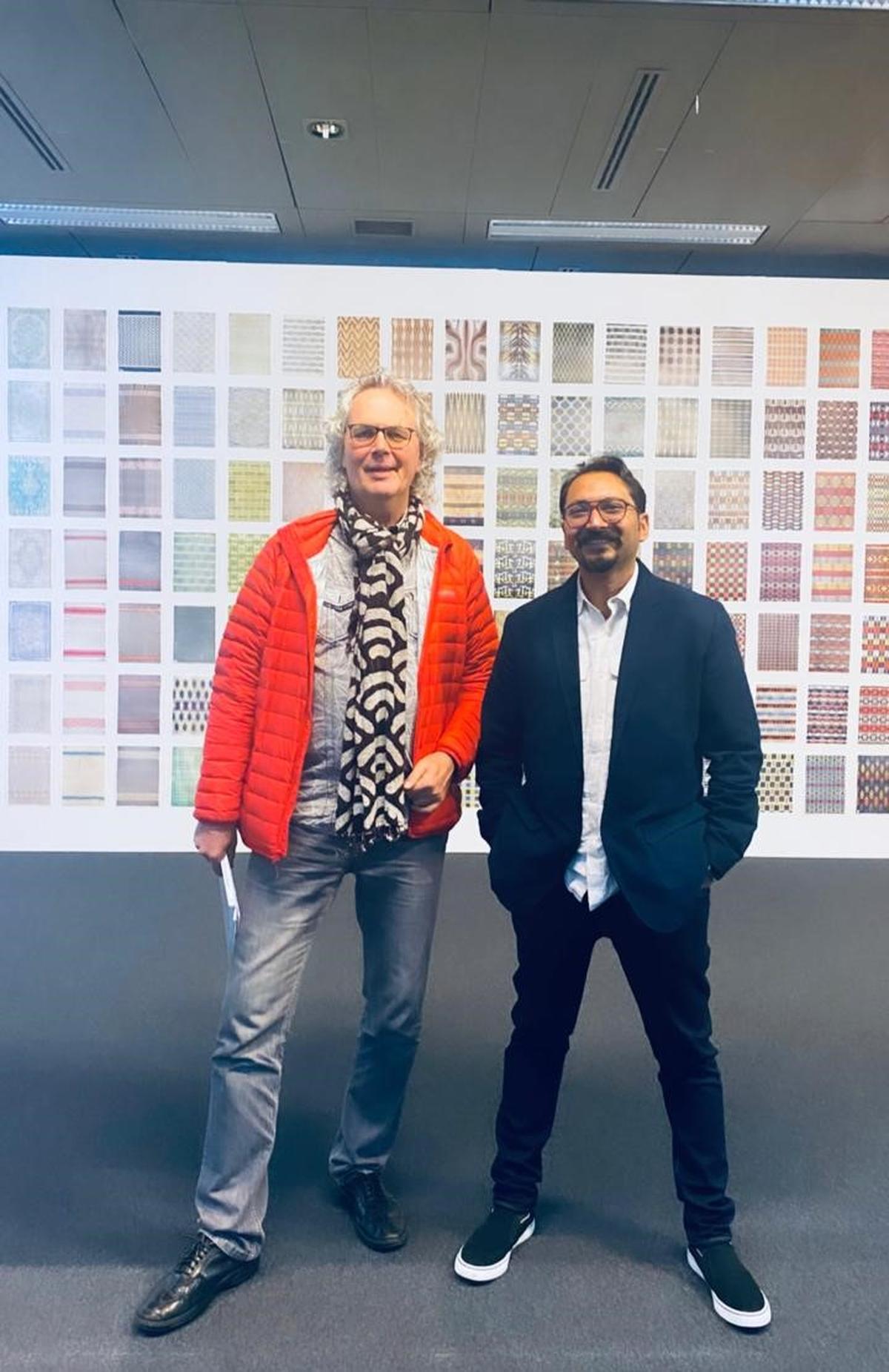
Helmut Schippert with Varun Gupta
| Photo Credit:
Gayatri Nair
His connection with civil society groups and movements were in keeping with his decision to make water one of the central issues in Indo-German cultural exchange. This was done in myriad ways. The Embrace our Rivers project saw more than a dozen artists participate in an exhibition in 2018 to raise awareness of Chennai’s polluted waterways. It was held at the Lalit Kala Akademi, but Helmut – who was a strong believer in public art – had originally pitched for permission to hold it along the banks of the Cooum near Island Grounds. If he had his way, a barge would have displayed one big work. Unfortunately, the permissions required never materialised. He was instrumental in the collaborative City of 1000 Tanks project, which was directed, among other things, at rainwater collection, wastewater treatment and recharging aquifers.
Putting Chennai on the map
Helmut Schippert was special to Chennai for the cultural foundations he built — from co-founding the Chennai Photo Biennale to initiating March Dance and the South Asian Music Residency. He opened doors for countless artistes, strengthened the city’s creative spirit, and left a lasting mark through initiatives like Embrace Our Rivers and the landmark exhibition DAMnedArt.
He was also one of the authors of Embrace Our Rivers: Public Art and Ecology in India, the first book of its kind in the country, an important work that reflects on public art, ecology, and the urgent need for creative collaborations toward urban sustainability.
Geetha Vedaraman, cultural coordinator, Goethe-Institut Chennai
There were other key initiatives, including a collaborative platform for musicians under the South Asian Music Residency and the street art festival Conquer the Concrete, which showcased the collaboration of five international artists with street artists and cinema hoarding painters.
Helmut Schippert (centre) with Sashi Kumar (right) at a panel discussion at Asian College of Journalism
| Photo Credit:
KARUNAKARAN M
But I like to believe his flagship initiative was the Chennai Photo Biennale (CPB), run by the CPB Foundation, of which he was a founding trustee. It was born as a result of Helmut asking photographer Chennai Photo Biennale director Varun Gupta, ‘What would you really like to do?’. When Varun replied, what he would really like to do is to curate a photography festival, Helmut responded with a ‘Let’s’. He found the money for it, and the Biennale, which has seen four editions, has become the principal festival for photography in the country.
A force of Nature
Helmut was a visionary who believed deeply in the power of the arts to create positive change. My first meeting with him remains etched in my mind: we found ourselves imagining a new future for public art in Chennai, and from that conversation, CPB was born. In those early days of bringing our pilot edition to life, Helmut was always available — even through late-night, high-stress moments — calmly proofreading brochures and maps that were headed to print the next morning. One defining memory in the history of CPB comes from his office, where we were designing the logo for our first edition. With a cheeky smile, he scratched out the word ‘festival’ on the whiteboard and replaced it with biennale, saying, “Let’s challenge ourselves. Let’s call it a Biennale.” His presence in Chennai changed the lives of countless artists — and altered the course of my own life forever. For all of this and so much more, I remain deeply grateful.
Varun Gupta, director, Chennai Photo Biennale and managing trustee, CPB Foundation
The Biennale has striven to engage people from all social and economic walks of life, which was very much in keeping with Helmut’s vision. An example of his wanting to connect beyond the elite is the exhibition on Urban Water. Staged in the Lighthouse MRTS station, it saw him spend hours talking to fisherfolk and explaining the purpose of what he was doing.
That was during the first edition of the Chennai Photo Biennale. Unfortunately, India’s rules relating to charitable trusts and foreign nationals meant that Helmut had to step down from the foundation that runs it. He continued to play a role as adviser and the Goethe Institut, now headed by Katharina Gorgen, remains its biggest and most significant supporter of the biennale.
Football and more
Helmut had several hobbies such as music, reading, cycling, and yoga, with a sweet tooth too, especially for kulfis. Referred to as HS, Helmut was synonymous with water projects and CPB at Goethe-Institut Chennai. He also took immense interest in the language projects and was instrumental in the Water Walkathon in which more than 4,500 school students participated in the early hours of November 2017.
Helmut was an ardent football fan and opened Goethe-Institut for the public viewing of the FIFA World Cup matches in 2015 and promoted Goethe Super League matches conducted by Goethe-Institut Chennai. He met the then Chief Minister of Tamil Nadu Edappadi K Palaniswami with the winners of the girls’ tournament who were sent to Germany for a week to train. His major achievement was to conduct the Regional Annual Conference for the South Asia Region in Chennai for the first time in 2017 where all directors from the region along with the general secretary Eberhard were present in Chennai.
Prabhakar Narayanan, deputy director, Goethe-Institut Chennai
I was invited to be on the board of CPB Foundation after Helmut stepped down. I am fully aware that it is impossible to fill his shoes but if the Biennale, which is planned and executed by some very fine young people, can be sustained and grown in the years to come, it will be the biggest tribute to Helmut. It will be a way of the city giving back to him what he gave to it.
Published – December 02, 2025 05:34 pm IST
